
Negligent security claims pose serious risks to property owners, often leading to costly legal consequences. Whether you own residential or commercial property, taking quick action to fix security issues is vital to protect yourself from liability. Gunnels Law Firm, LLC helps property owners understand the essential security measures they must address to avoid such claims.





Understanding Negligent Security Claims 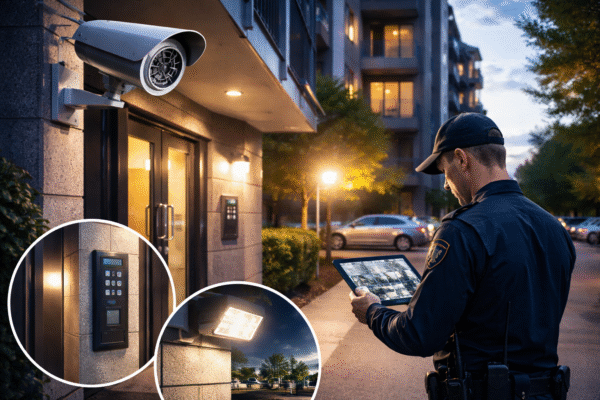
As a property owner, one of your primary responsibilities is ensuring the safety of your tenants, guests, and visitors. Failing to maintain a secure environment can lead to negligence claims, which could result in significant financial consequences. When a crime or injury occurs due to inadequate security, property owners may be held liable for damages. This could happen in various settings, including apartment buildings, shopping centers, office buildings, and more.
Negligent security claims typically arise when an individual is harmed or a crime occurs on a property due to a lack of sufficient security measures. If a property owner is deemed to have failed in providing adequate safety protocols, they may be responsible for any resulting damages. It’s essential to act promptly to ensure your property is safe and secure, minimizing the risk of negligence.
What Property Owners Must Fix Immediately
There are several key areas that property owners must address quickly to avoid negligent security claims. By maintaining proactive security measures, you can protect your property, your tenants, and yourself from potential legal battles. Below are some critical aspects to review and fix to ensure your property is compliant with security standards.
1. Insufficient Lighting: A Major Risk for Property Owners
One of the most common issues in negligent security claims is poor lighting. Dark areas around your property, especially around entrances, parking lots, and walkways, create the perfect environment for criminal activity. If an incident occurs in an area with inadequate lighting, you could be held responsible for failing to provide a safe environment.
Ensure that all exterior areas are well-lit, including parking garages, stairwells, hallways, and other high-traffic locations. Not only does proper lighting help deter crime, but it also assists in identifying individuals in case of an incident. Installing motion-sensor lights or smart lighting systems that automatically adjust can provide additional security benefits. Ensure that bulbs are regularly replaced, and your lighting systems are functioning properly at all times.



2. Unsecured Entry Points: The First Line of Defense
Security doors, gates, and windows are the first line of defense against intruders. If entry points are not properly secured, you risk making your property vulnerable to criminal activity. This includes both residential and commercial properties. It’s essential that all entry points—whether doors, windows, or gates—are equipped with strong locks, deadbolts, and other security features.
Automatic doors or sliding glass doors that don’t lock properly can be a major issue. If you have gates or entryways that are rarely used, ensure that they are still secure and functional. A simple broken lock or faulty gate could lead to a break-in and a negligence lawsuit. Regularly inspect all entry points and make sure they are in proper working condition. Installing reinforced doors and utilizing access control systems, such as key cards or biometrics, can further enhance your property’s security.
3. Surveillance Cameras: Monitoring the Premises for Added Protection
Installing a comprehensive surveillance system is another essential step for property owners to prevent negligent security claims. Surveillance cameras help monitor activity on your property, providing a deterrent for criminals and offering valuable evidence if an incident occurs. Cameras should be placed strategically in high-risk areas, such as entrances, parking lots, common areas, and other places with high foot traffic.
Make sure that the cameras you install have a clear view and are capable of recording video footage. Avoid positioning cameras in areas that are obscured by trees, signs, or other objects that could impair visibility. Cameras should be well-maintained and regularly tested to ensure they are functioning properly. It’s also important to inform tenants or visitors about the presence of cameras, as this transparency adds to the deterrent effect.
I had the pleasure of working against Chris on a fairly complicated case. Chris was professional during the course of litigation, and undoubtedly maintained his clients’ interests as the primary focus throughout. Due to Chris’ efficiency and advocacy for his clients, we were able to resolve the case for a reasonable amount, without spending unnecessary time and expenses. I hope to have more cases with Chris in the future, and would have no hesitation recommending Chris to handle complex personal injury matters.” - Paul T.
4. Broken or Outdated Security Systems: A Critical Oversight
Security systems, such as alarms, motion detectors, and intercom systems, play a vital role in safeguarding your property. If these systems are broken or outdated, they will not provide the necessary protection. Property owners must regularly maintain and update their security systems to ensure they function as intended. A malfunctioning alarm system, for example, could fail to alert authorities in the event of a break-in, leaving your property vulnerable to damage and theft.
Routine inspections and repairs of security equipment should be part of your property management plan. It’s important to replace or upgrade old systems to meet modern security standards. For instance, upgrading from a traditional alarm system to a smart security system that can be monitored remotely may provide more effective protection. Additionally, ensuring that all security systems are integrated into a comprehensive safety plan can improve response times and efficiency during emergencies.
Dealing with Insurance Steps to File a LawsuitRelated Videos
5. Active Monitoring: Vigilance is Key
Simply having surveillance systems in place isn’t enough. It’s essential to monitor these systems actively. Whether it’s hiring a security team to patrol the premises or using remote monitoring services, active oversight can help detect suspicious activity and prevent incidents from escalating. If something appears out of the ordinary, responding quickly could prevent harm and minimize the chances of a claim being filed.
Negligence claims are often made when property owners fail to take immediate action when security threats arise. Monitoring systems should be staffed or connected to a security service that can alert local authorities in case of an emergency. Regular monitoring can significantly reduce the likelihood of criminal activity occurring on your property and demonstrates a commitment to maintaining a safe environment for all.
6. Poor Maintenance and Neglected Areas: Taking a Comprehensive Approach
Negligent security claims can also stem from poorly maintained areas on your property. For example, a broken fence or overgrown bushes that obscure the view of surveillance cameras can make your property more vulnerable. Property owners should ensure that all areas of the property are regularly maintained, including landscaping, fences, gates, and lighting.
Perform routine inspections to identify and address any potential security risks. If certain areas are consistently neglected, criminals may see them as an easy target. By keeping your property well-maintained and free of hazards, you not only reduce the chances of an accident or crime, but you also demonstrate that you take your responsibility for safety seriously.
7. Tenant Awareness and Communication
Property owners should regularly communicate with tenants regarding security expectations and updates. Tenant awareness is essential in reducing the risk of incidents occurring on your property. Make sure your tenants understand the importance of securing their own spaces, locking doors and windows, and reporting any suspicious activity.
Consider offering safety workshops or providing tenants with written materials on how to maintain a secure living environment. By fostering a community of safety-conscious tenants, you can reduce the likelihood of incidents that could lead to negligent security claims.
Taking Action to Protect Your Property and Avoid Legal Issues
Proactive security measures are the key to preventing negligent security claims. Property owners who invest in security systems, conduct regular maintenance, and ensure their tenants’ safety will significantly reduce the risk of facing such claims. It’s important to remember that negligence claims can lead to legal and financial consequences, which can be detrimental to your reputation and business operations.
At Gunnels Law Firm, LLC, we understand the importance of protecting your property from legal claims, and we are here to guide you through the process of ensuring your security measures are up to par. If you have any concerns about negligent security claims, it’s crucial to consult with an experienced attorney who can provide the legal advice and representation you need.