In Georgia, liability for a pool party injury or apartment pool accident depends on who controlled the property, what caused the injury, and whether a responsible person failed to use ordinary care. Apartment complexes, landlords, property managers, homeowners, maintenance companies, event hosts, or product manufacturers may be involved depending on the facts. Georgia premises liability law generally requires owners and occupiers to use ordinary care to keep invited guests reasonably safe, while Georgia’s comparative fault rule may reduce or bar recovery if the injured person shares fault. Quick medical care, photos, witness names, and incident reports can help protect a possible claim.
Why Pool Accident Liability Can Be Complicated 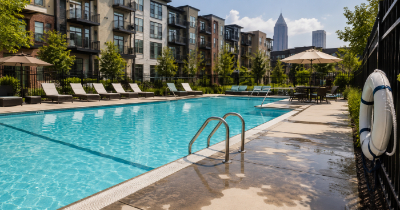
A pool injury can happen in seconds, but the legal questions are rarely simple. A guest may slip on a wet deck, a child may enter through a broken gate, a tenant may fall because of poor lighting, or a swimmer may be hurt by defective equipment. At a private pool party, the facts may involve a homeowner, a host, alcohol use, supervision, warnings, or unsafe conduct by another guest. At an apartment pool, the focus often turns to property management, maintenance, access control, safety rules, and prior complaints.
Georgia law does not make every pool accident someone else’s fault. People can get hurt even when a property owner acted reasonably. A stronger claim usually requires proof that a dangerous condition existed, that a responsible party knew or should have known about it, and that the failure to fix or warn about it caused the injury.
For broader guidance on injury claims, the firm’s Atlanta personal injury attorney page at https://gunnelslaw.com/atlanta-personal-injury-attorney/ explains how legal claims may begin after serious accidents.




Georgia Premises Liability and Pool Injuries
Many pool injury cases are handled as premises liability claims. Under Georgia law, an owner or occupier who invites others onto the property for a lawful purpose must use ordinary care to keep the premises and approaches safe. In plain language, the person or business in control of the property must take reasonable steps to find, fix, or warn about hazards that could injure lawful visitors.
This duty can apply to apartment pools, condominium pools, hotel pools, private backyard pool parties, school or camp pools, community recreation pools, and neighborhood amenity pools. The exact duty may depend on the visitor’s legal status, the reason for the visit, and who had control over the pool area.
Who May Be Liable After an Apartment Pool Accident?
Apartment pool cases often involve more than one possible defendant. The apartment owner may have legal control over the pool area, but a management company may handle daily operations. A maintenance contractor may inspect the pool, repair equipment, or clean the deck. A security contractor may control gates, lighting, or access after hours.
Potentially responsible parties may include:
- The apartment complex owner
- A property management company
- A pool maintenance company
- A repair contractor
- A security company
- A landlord or leasing company
- A manufacturer of defective pool equipment
- Another tenant or guest whose conduct caused harm
For example, if tenants repeatedly complained that a gate would not latch and a child later entered the pool area unsupervised, the claim may focus on notice, repair records, and management response. If a ladder detached because it was not properly maintained, maintenance logs and prior inspection records may matter. If a fall happened because lighting near the steps had been out for days, work orders and witness statements may help show that the hazard should have been addressed.
When the injury involves a fall, the firm’s Atlanta slip and fall lawyer page at https://gunnelslaw.com/atlanta-slip-and-fall-lawyer/ may be a helpful related resource.



Who May Be Liable at a Georgia Pool Party?
Private pool party cases can be different from apartment pool cases because they often involve social guests, homeowners insurance, and host conduct. A homeowner may be responsible if unsafe property conditions caused the injury, such as a broken handrail, cracked deck, missing barrier, exposed electrical hazard, unsafe diving area, or lack of reasonable warning about a hidden danger.
A party host may also face questions about supervision, guest safety, and alcohol use, especially if children were present. A homeowner is not automatically liable because someone was injured in the pool. The key question is whether someone failed to act reasonably.
Examples may include:
- A guest falls on algae-covered steps the owner knew were slippery.
- A child gains access through a broken fence latch.
- A guest dives into shallow water without visible depth markings.
- Poor lighting makes a pool edge or step difficult to see.
- Broken tile cuts a swimmer after prior complaints were ignored.
- Electrical equipment near the pool was improperly maintained.
If a fatal drowning or catastrophic injury occurs, families may need to understand civil claim options quickly. The firm’s Atlanta wrongful death attorney page at https://gunnelslaw.com/atlanta-wrongful-death-attorney/ provides more information for families facing that kind of loss.
I had the pleasure of working against Chris on a fairly complicated case. Chris was professional during the course of litigation, and undoubtedly maintained his clients’ interests as the primary focus throughout. Due to Chris’ efficiency and advocacy for his clients, we were able to resolve the case for a reasonable amount, without spending unnecessary time and expenses. I hope to have more cases with Chris in the future, and would have no hesitation recommending Chris to handle complex personal injury matters.” - Paul T.
Common Pool Hazards That Lead to Injury Claims
Pool accident claims often involve a combination of water, crowds, maintenance problems, and poor visibility. A pool deck is expected to get wet, but that does not mean every slick surface is acceptable. Owners and managers should expect wet conditions and use reasonable safety measures.
Common hazards may include slick decks, standing water from drainage problems, broken gates, missing depth markers, unsafe diving areas, loose ladders, broken tile, poor lighting, defective drain covers, chemical exposure, and lack of reasonable supervision at organized events.
Pool injuries may include broken bones, concussions, spinal injuries, cuts, chemical burns, near-drowning injuries, and emotional trauma. Children may face added risk because they may not recognize depth changes or unsafe equipment.
How Comparative Fault Can Affect a Georgia Pool Claim
Georgia uses a modified comparative fault rule in many injury cases. That means the injured person’s own conduct can affect the claim. If an insurer argues that someone was running near the pool, ignored posted rules, entered a closed pool area, dove where diving was unsafe, or failed to supervise a child, those arguments may become part of the case.
Shared fault does not always end a claim, but it can reduce compensation. If the injured person is found to be 50 percent or more at fault, recovery may be barred. This is one reason evidence matters. The stronger the evidence about the hazard, warnings, property owner’s knowledge, and timeline, the harder it may be for an insurer to shift blame unfairly.
Dealing with Insurance Steps to File a LawsuitRelated Videos
What Evidence Helps Prove Liability?
Evidence can disappear quickly after a pool accident. Water dries. Broken equipment gets repaired. Gates are adjusted. Lighting is replaced. Surveillance footage may be overwritten. Witnesses may leave the apartment complex or forget details.
After getting medical care, try to preserve:
- Photos and videos of the pool area
- Close-up images of the hazard
- Wide photos showing lighting, gates, steps, signs, and layout
- Witness names and phone numbers
- Incident reports from management, security, or the host
- Medical records and discharge papers
- Shoes and clothing worn during the accident
- Prior emails, texts, or complaints about the hazard
- Lease, pool rules, or amenity policies
- Insurance letters or adjuster communications
Do not guess about what happened if you are unsure. A short, accurate report is better than speculation. Avoid detailed social media posts while fault or injury severity is disputed.
What Compensation May Be Available?
Compensation depends on the injury, medical treatment, liability evidence, available insurance, and how the injury affects daily life. A claim may seek money for medical bills, future treatment, lost income, reduced earning ability, pain and suffering, physical limitations, scarring, emotional distress, and other losses allowed under Georgia law.
A serious pool injury can affect more than one part of a person’s life. A parent may miss work to care for an injured child. A near-drowning event may require emergency care and ongoing monitoring. A head, neck, or spine injury may affect work, sleep, and family routines.
The firm’s personal injury case value resource at https://gunnelslaw.com/personal-injury-case-value/ may help readers understand why claim value depends on both damages and proof.
How an Attorney Can Help After a Pool Accident
A lawyer can help identify who controlled the pool area, who maintained it, who received complaints, and which insurance policies may apply. In apartment pool cases, this may mean requesting maintenance logs, lease documents, work orders, inspection records, video footage, and incident histories. In private pool party cases, it may mean reviewing homeowner insurance, witness statements, property photos, and host conduct.
Gunnels Law Firm, LLC helps injured people in Atlanta and across Georgia understand their options after preventable accidents. A careful investigation can make a major difference when an insurance company argues that the hazard was obvious, the injury was minor, or the injured person caused the accident.
You can learn more about related property injury claims through the firm’s residential property slip and fall resource at https://gunnelslaw.com/residential-property-slip-and-fall/ or contact the firm through https://gunnelslaw.com/contact-us/.
Speak With an Atlanta Pool Accident Attorney
If you or your child was injured at a Georgia pool party or apartment pool, you do not have to sort through liability questions alone. Gunnels Law Firm, LLC offers a free consultation and can review what happened, explain possible next steps, and help you understand whether a property owner, manager, host, contractor, or another party may be responsible.
This article is for informational purposes only and is not legal advice. Consult an attorney about your specific situation.