
Boat accidents can be devastating, and navigating the aftermath is often overwhelming. Whether it’s a minor collision or a more serious incident involving injuries, property damage, or even fatalities, the way you handle the situation can have long-lasting consequences. In Georgia, like in other states, there are specific steps you need to follow to ensure your safety, legal rights, and insurance claims are properly handled. Unfortunately, many boaters make mistakes during the recovery process that can harm their claims or complicate legal matters. Here are the most common mistakes to avoid after a boat accident in Georgia.




Failing to Seek Immediate Medical Attention 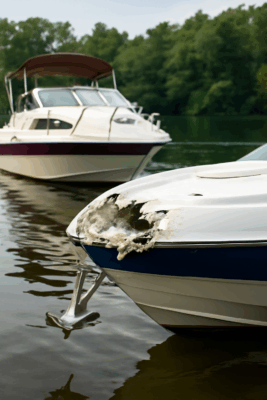
One of the most significant mistakes you can make after a boating accident is not seeking medical attention, even if you feel fine. Some injuries, especially those related to the head, neck, or spine, may not show symptoms immediately. It’s essential to see a doctor as soon as possible after an accident to ensure you’re not injured. Additionally, having a medical record helps substantiate your case in the event you need to file a personal injury claim.
Not Reporting the Accident to Authorities
In Georgia, you are legally required to report certain types of boating accidents. If there are injuries, fatalities, or significant property damage (over $2,000), you must report the incident to the Georgia Department of Natural Resources (DNR) or other law enforcement agencies. Failing to report could harm your ability to file a claim and could result in legal penalties.
Admitting Fault at the Scene
Another common mistake people make is admitting fault at the scene of the accident. Whether you feel guilty or simply want to make the situation go away quickly, admitting fault can complicate matters later, especially when it comes to insurance claims or legal actions. In Georgia, the specifics of the accident need to be fully investigated, and fault should only be determined by the authorities or your attorney.



Not Documenting the Scene and Collecting Evidence
Failing to gather evidence at the scene of the accident is another costly mistake. Take photos of the damage to the vessels, the surroundings, and any visible injuries. Collect the contact information of witnesses, other involved parties, and even the responding officers. This documentation will be invaluable in proving your case to insurance companies or during litigation.
Failing to Notify Your Insurance Provider Promptly
Many boaters make the mistake of waiting too long to notify their insurance company about an accident. As soon as you are able, report the incident to your insurer and provide them with all relevant details. Not notifying your insurance provider promptly can complicate your claim or even result in denial.
Not Consulting with an Attorney
Navigating the aftermath of a boat accident, especially if there are injuries or significant property damage, can be legally complex. It’s essential to consult with a qualified boat accident attorney in Georgia to understand your rights and ensure you’re not making mistakes that could affect your claim. An attorney can help you handle interactions with insurance companies, deal with medical bills, and guide you through the legal process.
I had the pleasure of working against Chris on a fairly complicated case. Chris was professional during the course of litigation, and undoubtedly maintained his clients’ interests as the primary focus throughout. Due to Chris’ efficiency and advocacy for his clients, we were able to resolve the case for a reasonable amount, without spending unnecessary time and expenses. I hope to have more cases with Chris in the future, and would have no hesitation recommending Chris to handle complex personal injury matters.” - Paul T.
Settling Too Quickly
Insurance companies may try to offer a quick settlement after an accident. While this may seem like an easy way out, it’s important to understand that the initial offer might not fully cover your medical bills, lost wages, or other damages. Before accepting any settlement, consult with your attorney to ensure you’re getting a fair deal.
Ignoring the Statute of Limitations
In Georgia, boat accident claims have a statute of limitations. This means you only have a limited amount of time to file a personal injury or property damage claim. Failing to file within the required time can result in losing the right to seek compensation for your injuries or damages. Be sure to act promptly and consult with a lawyer to ensure you don’t miss this critical deadline.
Failing to Gather Proper Evidence
After a boating accident, one of the most important steps you can take is to gather proper evidence at the scene. Many individuals neglect to take photographs or collect witness statements, which can make a huge difference when proving your case. Photographs should include the damage to the vessels, any injuries sustained, the overall scene of the accident, and any contributing factors such as poor visibility, weather conditions, or water hazards. Additionally, it is essential to take note of the time, location, and any other relevant circumstances. The more detailed your evidence, the stronger your case will be.
Dealing with Insurance Steps to File a LawsuitRelated Videos
Not Understanding Georgia’s Boating Laws
Each state has its own set of rules and regulations regarding boating accidents, and Georgia is no exception. Georgia law requires boat operators to comply with safety standards, including the proper use of life jackets and adhering to speed limits. Furthermore, it’s essential to understand the nuances of Georgia’s maritime law to avoid making costly mistakes. Failing to understand these regulations could affect your claim or even result in penalties. Consulting with an attorney who understands Georgia’s boating laws is a crucial step in ensuring you don’t make this mistake.
Ignoring Comparative Fault Rules
In Georgia, the concept of comparative fault applies to personal injury claims, including boating accidents. This means that if you are partially at fault for the accident, it could reduce the amount of compensation you receive. For example, if the other party can prove you were speeding or not following other regulations, your compensation could be reduced accordingly. It’s essential to have a clear understanding of comparative fault and how it could impact your case. A personal injury lawyer can help you navigate these complexities and advocate for your best interests.
Boating accidents are traumatic, but how you respond afterward can significantly impact your recovery. By avoiding these common mistakes, you’ll protect your rights, your health, and your ability to seek compensation. If you’ve been involved in a boat accident in Georgia, contact Gunnels Law Firm, LLC for a free consultation. Our experienced attorneys are here to guide you through the process and help you recover the compensation you deserve.