
Cold weather in Georgia can significantly impact the healing process for those recovering from an accident. The state’s relatively mild winters still bring enough chill to affect how quickly and effectively people can recover from injuries. Whether you’ve been involved in a car accident, a slip and fall, or a bicycle crash, colder temperatures can slow down the recovery time and even increase your discomfort. Gunnels Law Firm, LLC understands the unique challenges you face during your recovery, and this guide will walk you through how cold weather impacts recovery and how you can manage these challenges effectively.





The Direct Impact of Cold Weather on Your Healing Process 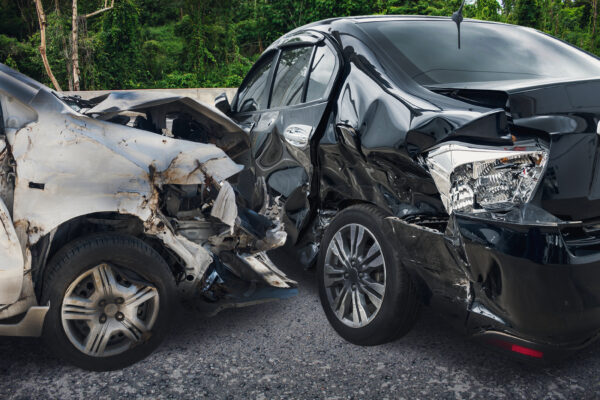
When it comes to recovering from any injury, cold weather can make an already difficult situation worse. Winter brings a range of physical challenges that directly interfere with the body’s healing mechanisms. Many of these issues are a result of the natural responses the body has to lower temperatures, but they can have serious consequences for someone trying to recover from a traumatic event.
Muscle Stiffness and Reduced Flexibility
One of the most common effects of cold weather is muscle stiffness. As temperatures drop, muscles contract and tighten, leading to an increase in discomfort, especially for those with soft tissue injuries like sprains, strains, or whiplash. If you’ve experienced a car accident or any injury that affects your muscles, the cold makes it more difficult to maintain flexibility, which in turn delays recovery.
This tightening of muscles can also make it harder to engage in physical therapy. Therapy plays a vital role in recovery after an accident, and it often requires stretching and movement that cold weather may restrict. Even simple daily activities can become challenging due to the body’s resistance to movement when temperatures drop. It’s essential to understand that cold temperatures don’t just make you feel stiff—they actively interfere with your healing process by limiting the range of motion needed to promote recovery.


Slower Blood Circulation
Cold weather has the effect of reducing blood circulation. Your body’s blood vessels constrict in an attempt to preserve heat, which can limit the flow of oxygen and nutrients to the affected areas of your body. This slowdown in circulation means your muscles, tissues, and bones may take longer to heal, whether you’re dealing with broken bones, sprains, or surgical wounds.
If you have suffered a serious injury like a broken bone or deep soft tissue damage, slow blood flow can delay your recovery and increase the risk of complications. This is why it’s crucial for people recovering from accidents to maintain proper warmth, as well as regular movement, to encourage healthy circulation during colder months.
Increased Sensitivity to Pain
Pain sensitivity tends to increase when temperatures drop. Cold weather can make even mild pain feel much more intense, and this is especially true for those recovering from an accident. People with injuries that involve nerves, such as back or neck injuries, may experience heightened pain sensations. This is because colder temperatures can trigger the body’s pain receptors, amplifying the feeling of discomfort.
If you’re already struggling with pain from an accident, the cold can make it more difficult to manage. Not only do you have to deal with the discomfort of your injury, but the weather itself can increase your pain levels, making daily life harder and more frustrating.
Risk of Re-injury and Falls
Georgia’s occasional snow, ice, and wet conditions during the winter months create additional hazards for anyone recovering from an injury. When the ground becomes slippery, there is a heightened risk of re-injury, especially for those who are still healing from a fall or automobile accident. If you’re recovering from a broken leg or ankle sprain, for example, the risk of falling again in icy conditions could undo all the progress you’ve made.
I had the pleasure of working against Chris on a fairly complicated case. Chris was professional during the course of litigation, and undoubtedly maintained his clients’ interests as the primary focus throughout. Due to Chris’ efficiency and advocacy for his clients, we were able to resolve the case for a reasonable amount, without spending unnecessary time and expenses. I hope to have more cases with Chris in the future, and would have no hesitation recommending Chris to handle complex personal injury matters.” - Paul T.
Slippery roads and sidewalks also increase the chances of automobile accidents, making it more dangerous to drive during inclement weather. The additional stress of these external factors can further delay your recovery, as they cause you to take extra precautions or avoid movement altogether.
Challenges in Keeping Up with Physical Therapy During Winter
For many accident victims, physical therapy is a key part of the recovery process. However, cold weather can make it difficult to continue with physical therapy routines. Here are some of the challenges people face:
Dealing with Insurance Steps to File a LawsuitRelated Videos
Difficulty Traveling for Appointments
One of the most obvious challenges during winter is traveling to physical therapy appointments. Icy conditions or heavy rain can make it unsafe to drive, leading to canceled or delayed appointments. Even if you can make it to your session, the journey may take a toll on your already-injured body, especially if you’re recovering from a car accident.
Reduced Mobility for Exercises
Physical therapy is designed to increase mobility and strength, but cold weather often makes it harder for people to move freely. When your body is cold, it becomes stiffer, making exercises more painful. Additionally, you may feel less inclined to exercise if it’s cold outside, as staying warm is more comfortable than engaging in movements that require effort and flexibility. Without regular physical activity, recovery can take longer, and your muscles can weaken.
Cancellations and Postponed Recovery Plans
Winter weather can lead to unavoidable cancellations. If your physical therapist has to reschedule an appointment due to weather conditions or office closures, your recovery schedule may be thrown off. Missing these critical appointments can lead to slower progress, leaving you in pain for a longer time and prolonging your overall recovery.
How to Manage Your Recovery in Cold Weather
While cold weather can certainly complicate the recovery process, there are ways to minimize its impact and ensure you’re still able to heal effectively. Here are some tips to help you manage your recovery during the colder months:
Stay Warm and Active
Keeping your body warm is crucial for reducing stiffness and pain. Use heating pads or warm compresses to help relax your muscles and improve circulation. In addition to using heat, try to keep moving gently. Even light stretching and movement can improve flexibility and reduce muscle tightness.
However, make sure you’re doing these activities safely. Consult with your physical therapist or doctor before attempting any new movements to ensure you’re not putting undue stress on your injuries.
Be Extra Cautious to Avoid Re-injury
Winter is a time when falls and injuries are more likely, so take extra precautions when walking or driving in snowy or icy conditions. Wear footwear that provides good traction and avoid walking on icy sidewalks if possible. If you have to drive, take extra care to drive slowly and cautiously on slippery roads.
Ensure Consistent Treatment
Maintaining your physical therapy schedule is essential. If you have trouble getting to your appointments, try scheduling virtual sessions with your therapist if available. If you’re unable to make it, reschedule as soon as possible to avoid setbacks. Stick to your treatment plan, even if the weather makes it harder to do so.
Manage Pain Effectively
Pain management is a significant aspect of recovery, especially when cold weather can exacerbate discomfort. If you find that your pain becomes worse in colder conditions, talk to your doctor about adjusting your pain management plan. This might include adding heat therapy or trying different types of medications to manage symptoms.
Consult an Attorney if Necessary
If your injury was caused by someone else’s negligence, you may be entitled to compensation, which can help cover medical costs, lost wages, and additional treatment required during your recovery. The team at Gunnels Law Firm, LLC is experienced in handling personal injury claims in Georgia, including those that may be affected by weather conditions. Reach out for a consultation if you believe you have a claim.
Cold weather in Georgia can complicate the recovery process after an accident in ways that might not be immediately obvious. From muscle stiffness and slower healing to the increased risk of further injury, the colder months present unique challenges for those already dealing with the aftermath of an accident. By staying warm, managing pain effectively, and taking extra precautions to avoid falls, you can help minimize the effects of winter weather on your recovery. If you need legal assistance during your recovery, Gunnels Law Firm, LLC is here to help. Contact us for a free consultation today and ensure you get the support and compensation you deserve.
If you’ve been injured in an accident, don’t let the cold weather slow your recovery. Contact Gunnels Law Firm, LLC today to discuss your case and learn about your options for pursuing compensation.