
As November rolls in, Georgia’s weather brings not only beautiful fall colors but also increased dangers on walkways. With rain, fallen leaves, and the onset of early darkness, the risk of slip-and-fall accidents rises. Property owners and pedestrians must be aware of these seasonal hazards, which can lead to serious injury and potentially costly legal claims. In this blog post, we’ll explore how weather impacts slip-and-fall claims in Georgia, what property owners should be doing to maintain safety, and how you can protect your rights if you’re injured.




The Impact of November Weather on Georgia Walkways 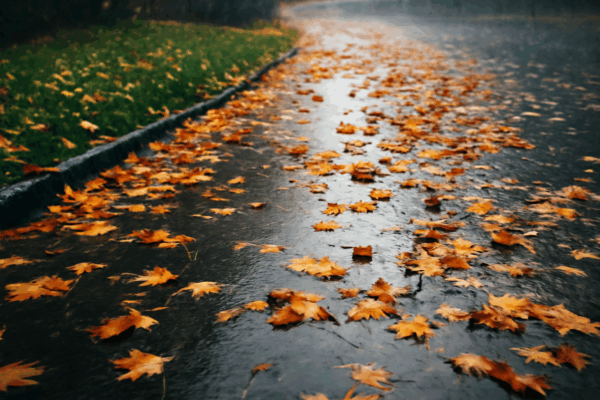
November marks a significant transition in Georgia’s weather, as temperatures drop and the state experiences more rain. Combined with fallen leaves from the many trees throughout the state, these weather conditions create a dangerous environment for pedestrians. Many of Georgia’s sidewalks, stairs, and parking lots become slippery during this time, putting people at risk for serious injuries.
Rain, Wet Surfaces, and Slippery Conditions
Rain is one of the main contributors to slip-and-fall accidents. When it rains, water creates slick surfaces, especially on sidewalks, driveways, and parking lots. In urban areas like Atlanta, the combination of water and heavy pedestrian traffic can lead to dangerous situations where falls are more likely to occur. What makes this issue even worse in November is the presence of wet leaves.
- The Hidden Dangers of Wet Leaves: Wet leaves, which cover many walkways in Georgia during fall, can be just as hazardous as wet pavement. Wet leaves create a thin, slippery layer on sidewalks and steps, making it incredibly difficult for pedestrians to maintain their footing. If not properly cleared, these leaves can hide other dangers, like uneven surfaces or cracks in the pavement, which increase the likelihood of a slip-and-fall injury.
- Fallen Debris and the Obstruction of Safe Pathways: As trees shed their leaves, it’s not just wet leaves that pose a hazard. Acorns, pine needles, and branches also litter walkways. These obstructions can cause individuals to trip, especially in places where the debris is not promptly removed. In addition to making pathways more slippery, this debris can obscure any hazards underneath, increasing the risk of falls.



The Role of Early Darkness in Increased Fall Risk
Another challenge during November is the early onset of darkness. As the days shorten, pedestrians are more likely to be walking during hours when natural light is minimal or absent. Poor lighting can make it difficult to identify hazards such as wet spots, leaves, or uneven pavement. This increase in darkness coupled with inadequate lighting makes it more likely that someone will slip or trip while walking.
In both residential and commercial properties, maintaining proper lighting is crucial to ensuring the safety of pedestrians. When walkways are poorly lit, even minor hazards can become significant dangers, especially if the lighting is dim or flickering.
Legal Implications of Slip-and-Fall Accidents in Georgia
Slip-and-fall accidents during the rainy season in Georgia often lead to legal claims for compensation. Under Georgia law, property owners have a duty to maintain a safe environment for those who visit their property. This includes both residential and commercial properties. If you are injured on someone else’s property due to hazardous conditions caused by rain, wet leaves, or darkness, you may have grounds for a personal injury claim.
I had the pleasure of working against Chris on a fairly complicated case. Chris was professional during the course of litigation, and undoubtedly maintained his clients’ interests as the primary focus throughout. Due to Chris’ efficiency and advocacy for his clients, we were able to resolve the case for a reasonable amount, without spending unnecessary time and expenses. I hope to have more cases with Chris in the future, and would have no hesitation recommending Chris to handle complex personal injury matters.” - Paul T.
Duty of Care for Property Owners
In Georgia, property owners are legally required to keep their premises safe. This includes removing hazards like wet leaves or water puddles, especially if they’ve been present for an unreasonable amount of time. If a property owner fails to address these hazards and someone gets injured as a result, the owner may be held responsible for the injuries.
- Timely Maintenance: Georgia law requires property owners to remove hazards within a reasonable amount of time. For instance, if wet leaves have accumulated on a walkway, the property owner should remove them promptly after a rainstorm. If the leaves are left on the ground for too long, making walkways unsafe, the owner may be considered negligent.
- Adequate Lighting: Property owners must also ensure that walkways are adequately lit to prevent accidents in the dark. Inadequate lighting during the fall and winter months, when it gets dark earlier, can make it difficult for pedestrians to see where they are walking. This negligence could make the property owner liable if someone is injured.
Understanding Negligence and Liability
To pursue a slip-and-fall claim in Georgia, you must prove that the property owner was negligent in maintaining the premises. This means showing that the owner knew or should have known about the dangerous conditions on their property and failed to take appropriate action to remedy the situation.
In many cases, weather conditions like rain or falling leaves may seem like an inevitable part of the season, but property owners have a responsibility to mitigate the risks that come with these conditions. For example, while wet leaves might naturally fall during the autumn months, they don’t have to remain on walkways long enough to cause harm.
Dealing with Insurance Steps to File a LawsuitRelated Videos
Steps to Take After a Slip-and-Fall Accident
If you fall and sustain an injury due to hazardous conditions in Georgia, it’s important to take specific steps to protect your rights and strengthen your claim.
1. Seek Medical Attention Immediately
Even if you feel fine after your fall, it’s critical to seek medical attention. Some injuries, like concussions or back injuries, may not be immediately obvious. A doctor can evaluate your condition and document your injuries, which will be important for your claim later on.
2. Report the Incident to the Property Owner
Notify the property owner or manager about the fall as soon as possible. If the accident occurred on commercial property, ensure that the incident is documented in their records. Request a copy of the accident report for your own records. If you fell in a public place, such as a park or sidewalk, file a report with the appropriate municipal department.
3. Document the Scene
Take photographs of the location where the fall occurred. Focus on the specific hazard that caused the accident, such as wet leaves, puddles, or poor lighting. Photographic evidence will support your case and help establish that the property owner was negligent in maintaining a safe environment.
- Note the Date and Time: Make sure to document when the incident occurred, especially since weather conditions change quickly. The timing of the rain or the presence of fallen leaves could play an important role in showing how long the hazard was present before the accident.
4. Keep Records of Medical Treatment
Save all medical records and bills related to your injury. These will be critical when calculating the damages you may be entitled to receive. Your medical history will also help establish the severity of your injuries, which can influence the settlement or award amount in your case.
5. Contact an Experienced Lawyer
Slip-and-fall cases can be complicated, especially when weather conditions are involved. A skilled attorney will help you gather evidence, assess your case, and fight for fair compensation. Your lawyer can also deal with insurance companies, ensuring that your claim isn’t undervalued or denied.
At Gunnels Law Firm, LLC, we understand the challenges that come with slip-and-fall accidents in Georgia, particularly during the rainy and fall months. If you’ve been injured due to a property owner’s negligence, our experienced team is here to help you through the legal process.
Why You Need a Georgia Slip-and-Fall Attorney
While slip-and-fall cases seem straightforward, they often involve complex legal issues. An experienced attorney can evaluate whether you have a viable case, guide you through the legal process, and advocate for your best interests. Gunnels Law Firm, LLC has a deep understanding of Georgia’s premises liability laws and is dedicated to securing the compensation you deserve.
If you’ve been injured in a slip-and-fall accident due to wet leaves, rain, or poor lighting in Georgia, don’t hesitate to contact Gunnels Law Firm, LLC. We offer free consultations to help you understand your legal rights and options. Call us today or visit our website to schedule a consultation.