
As temperatures fluctuate during March, the risks of slip-and-fall accidents rise. From icy patches to wet surfaces, the constant changes in weather make it difficult to anticipate potentially hazardous conditions. During this time of year, individuals must be aware of the increased dangers on sidewalks, roads, and walkways. The experienced attorneys at Gunnels Law Firm understand how weather-related accidents can impact your health and well-being, and we want to help you navigate the consequences of these accidents.





The Impact of March Weather on Safety 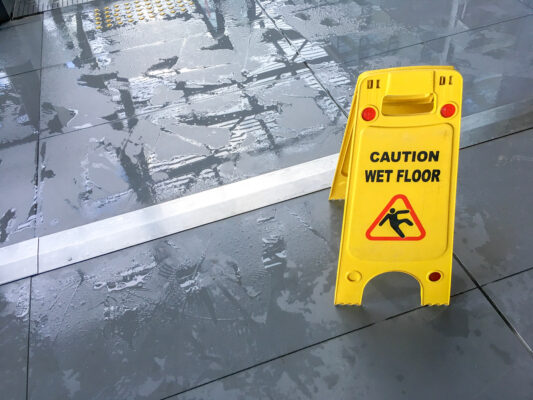
March is a transitional month, marked by unpredictable temperature swings that can quickly turn once-safe surfaces into hazards. Property owners and pedestrians alike must be aware of the significant impact that these fluctuations can have on public and private spaces. Unfortunately, these shifts in temperature often cause conditions that lead to dangerous falls, especially on icy or wet surfaces.
Gunnels Law Firm has seen an increase in slip-and-fall claims during March due to these very weather conditions. In many cases, injuries could have been avoided if the weather-related hazards were addressed in a timely manner. As the temperature rises during the day and dips again in the evening, it creates perfect conditions for ice to form, making roads and walkways slick and unsafe.
Why Temperature Swings Create Slip-and-Fall Hazards
The primary reason why March is particularly dangerous when it comes to slip-and-fall accidents is the rapid change in temperatures. These fluctuations can turn a rainy or snowy morning into a freezing night, leaving dangerous ice patches behind.
- Melting Ice: As temperatures rise during the day, snow and ice begin to melt, creating puddles that pool on sidewalks and roads. When the sun sets and temperatures drop, these puddles freeze again, forming layers of ice that are nearly invisible to pedestrians. This hidden danger is one of the leading causes of slip-and-fall injuries in March.
- Freezing Rain: Another issue that arises with fluctuating temperatures is freezing rain. When rain falls and the temperature dips below freezing, it creates a thin layer of ice on surfaces, making everything from driveways to parking lots slick. This ice is hard to detect and often results in serious falls when people are caught off guard.
- Refreezing Wet Surfaces: Even after a day of rain, when temperatures begin to drop again, wet surfaces from earlier rainfall can freeze, leading to hazardous walking conditions. Areas that seem dry during the day can quickly become dangerous once the sun sets and the cold sets in.



High-Risk Areas for Slip-and-Fall Injuries
Certain areas are more susceptible to slip-and-fall accidents in March, especially when temperatures fluctuate dramatically. Here are some of the locations where injuries are most likely to occur:
- Shaded Areas: These areas freeze more easily, even if temperatures rise above freezing. Snow and ice that have built up in shaded spots can remain longer, leading to hazardous conditions for pedestrians.
- Staircases and Entrances: Stairs, ramps, and other elevated structures are particularly dangerous when wet or icy. These surfaces can freeze more quickly than flat walkways, creating a heightened risk of falling when entering or exiting a building.
- Parking Lots and Driveways: Wet pavement combined with colder nighttime temperatures makes parking lots and driveways prime spots for ice accumulation. Drivers and pedestrians should be cautious when walking to and from their vehicles during these conditions.
The Hidden Dangers of Black Ice
One of the biggest challenges in identifying potential hazards is the formation of black ice, a thin, nearly invisible layer of ice that forms when water freezes on dark surfaces, such as asphalt or concrete. Black ice can be hard to see, and by the time pedestrians or drivers realize that they’re on it, it’s often too late to prevent an accident.
Pedestrians are particularly vulnerable to black ice, as they may not notice it until they slip. It’s important to remember that the presence of black ice doesn’t necessarily correlate with low temperatures. A sidewalk that looks wet or even dry could be hiding dangerous black ice. This is especially true in shaded areas or on surfaces where ice has been melting and refreezing.
I had the pleasure of working against Chris on a fairly complicated case. Chris was professional during the course of litigation, and undoubtedly maintained his clients’ interests as the primary focus throughout. Due to Chris’ efficiency and advocacy for his clients, we were able to resolve the case for a reasonable amount, without spending unnecessary time and expenses. I hope to have more cases with Chris in the future, and would have no hesitation recommending Chris to handle complex personal injury matters.” - Paul T.
Preventing Slip-and-Fall Accidents in March
While March’s weather conditions may be difficult to predict, there are proactive steps that individuals and property owners can take to reduce the risk of slip-and-fall injuries.
- Property Owners: Property owners should clear snow and ice as soon as possible and use de-icing agents like salt or sand. For commercial properties, parking lots and walkways should be maintained throughout the day, especially in the early morning and late evening hours when temperatures are likely to drop.
- Pedestrian Awareness: Pedestrians should walk slowly and carefully during this time of year. Avoiding sudden movements and keeping an eye on the ground for icy patches can reduce the likelihood of an accident.
- Footwear: It’s essential to wear shoes with good traction, especially during March. Non-slip soles help maintain grip on icy or wet surfaces, reducing the risk of slipping.
- Avoid Wet Areas: When possible, avoid walking on wet or damp surfaces, as these conditions are more likely to freeze overnight. Look for alternate routes that are less likely to have icy patches.
What to Do After a Slip-and-Fall Injury
If you’ve been injured in a slip-and-fall accident during March, it’s important to act quickly to protect your health and your legal rights. First and foremost, seek medical attention immediately. Injuries from slip-and-fall accidents, such as broken bones, sprains, or concussions, can worsen if not properly treated.
Dealing with Insurance Steps to File a LawsuitRelated Videos
Once you’ve received medical care, document the scene of the accident if possible. Take photos of the location where you fell, including any ice, wet surfaces, or dangerous conditions. This documentation can be critical for any legal claims you pursue.
Finally, it’s important to contact a qualified personal injury lawyer to help you navigate your case. The team at Gunnels Law Firm has extensive experience handling slip-and-fall injury claims, and we can provide guidance on how to pursue compensation for your medical bills, lost wages, and pain and suffering.
If you’ve been injured in a slip-and-fall accident due to the hazardous weather conditions of March, the Gunnels Law Firm is here to help. Our team of skilled attorneys is dedicated to securing compensation for those injured in preventable accidents. Reach out to us for a free consultation today at https://gunnelslaw.com/contact-us/. We’re committed to fighting for your rights and ensuring that you receive the justice you deserve.