
The Gunnels Law Firm LLC in Atlanta, GA, represents clients injured in a wide variety of spring accidents, from automobile collisions on wet roads to slips and falls on construction sites or public walkways. Gathering strong evidence is essential for ensuring that an injured party can recover compensation for medical bills, lost wages, pain and suffering, and other damages allowed under Georgia law. When an accident occurs, the quality and completeness of the evidence collected can significantly influence the outcome of a claim, whether it is resolved through insurance negotiations or taken to court. Knowing what evidence to collect and how to preserve it can be the difference between a fair settlement and a claim that fails to capture the true extent of the injuries and financial loss suffered.





Medical Documentation and Treatment Records 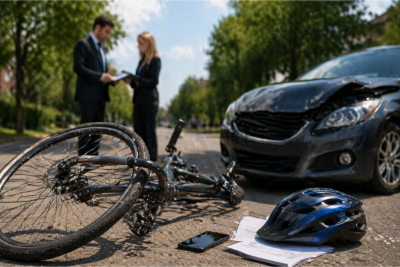
Medical records are one of the most important types of evidence in a personal injury claim. These records provide an official account of the injuries sustained and the treatments provided, helping establish both the severity of the injuries and the necessity of the treatment. This includes hospital or emergency room documentation, physician and specialist notes, rehabilitation or physical therapy records, and receipts for medical expenses such as prescription medications, medical equipment, or specialized care. For spring accidents, it is particularly important to document injuries that may initially seem minor, such as soft tissue damage from slips on wet surfaces or impact injuries sustained in low-speed collisions, as these may develop into long-term complications. A consistent, well-documented medical record also helps demonstrate the ongoing need for care and supports claims for future medical expenses.
Photographic and Video Evidence of the Accident Scene
Visual evidence is critical in establishing the conditions at the time of the accident. Photographs and videos taken immediately after the incident can document road conditions, debris, weather, traffic signals, signage, construction hazards, and other environmental factors. For example, wet roads, leaves, or other springtime hazards can be clearly shown through images, while video footage can capture the sequence of events or the behavior of other parties involved. These images not only support the claimant’s account but also serve as compelling evidence in negotiations or at trial. Maintaining accurate timestamps and retaining original files is vital to ensure authenticity and avoid disputes over the accuracy of the evidence.



Witness Statements
Witness testimony can provide an independent perspective on the accident and corroborate your account of events. Eyewitnesses may include drivers, pedestrians, cyclists, bystanders, or coworkers who observed the incident. Collecting detailed statements, along with the witness’s contact information, is essential for follow-up or verification. Witnesses can provide context about the circumstances leading up to the accident, such as speed, road conditions, weather, or other contributing factors. Written statements or recorded accounts can be particularly valuable, as they provide a contemporaneous record that may carry more weight than recollections given later.
Police and Official Reports
Police reports and other official documentation can greatly strengthen a personal injury claim. Law enforcement officers typically record observations about the accident scene, statements from involved parties, citations issued, and traffic conditions. Obtaining copies of these reports, as well as any video or photographic evidence collected by the authorities, can provide objective verification of the events that occurred. Additionally, city or municipal reports regarding construction, maintenance issues, or other environmental hazards at the time of the accident can further support claims that a third party’s negligence contributed to the injuries.
Insurance Communications and Policy Information
Keeping detailed records of all communications with insurance companies is critical. This includes letters, emails, and notes from phone conversations regarding the accident, claims, coverage, or settlement offers. Maintaining accurate records ensures that nothing is misrepresented and provides evidence in case disputes arise about the insurer’s actions or statements. Additionally, reviewing policy documents to understand coverage limits, exclusions, and obligations is an essential step in determining the potential scope of compensation and preparing for negotiations or litigation.
I had the pleasure of working against Chris on a fairly complicated case. Chris was professional during the course of litigation, and undoubtedly maintained his clients’ interests as the primary focus throughout. Due to Chris’ efficiency and advocacy for his clients, we were able to resolve the case for a reasonable amount, without spending unnecessary time and expenses. I hope to have more cases with Chris in the future, and would have no hesitation recommending Chris to handle complex personal injury matters.” - Paul T.
Physical and Tangible Evidence
Physical evidence can play an important role in demonstrating the impact and consequences of an accident. This includes damaged vehicles, bicycles, or other property involved, as well as personal items that were harmed during the incident. Helmets, protective gear, or clothing can indicate the severity and type of impact experienced, while damaged equipment or objects on the scene may show contributory hazards. Preserving and documenting these items promptly ensures that the evidence remains intact and can be presented effectively in support of your claim.
Digital and Social Media Evidence
Digital records and social media posts can provide additional context or corroboration for a claim but must be used cautiously. Photos, videos, or posts that reflect the circumstances of the accident, the injuries, or the recovery process can be helpful, provided they do not contradict your account. It is important to preserve metadata, timestamps, and original files to maintain authenticity. Avoid posting content that could be interpreted as minimizing your injuries or undermining your version of events.
Dealing with Insurance Steps to File a LawsuitRelated Videos
Preservation and Timing
The timing of evidence collection is crucial. The earlier evidence is gathered, the stronger it will be in supporting a claim. Steps include documenting the scene immediately, maintaining originals and copies of medical bills and records, requesting surveillance footage if available, and notifying your attorney promptly so that all relevant evidence can be preserved. Rapid action also increases the likelihood that key witnesses can be located and that environmental conditions or physical evidence has not changed or deteriorated.
Role of an Experienced Attorney
An experienced attorney, such as those at The Gunnels Law Firm LLC, can guide clients through the evidence-gathering process, identify the most impactful evidence, and ensure that it is preserved correctly. Attorneys can handle complex communications with insurance companies, negotiate settlements effectively, and represent clients in court if necessary. Their expertise ensures that every piece of evidence contributes strategically to building a strong case, enhancing the likelihood of obtaining fair compensation.
Case Examples
Case 1: A cyclist on a wet Atlanta street documented skid marks, collected photos of the intersection, and obtained statements from nearby witnesses. This comprehensive evidence collection resulted in a settlement covering medical expenses and lost wages.
Case 2: A pedestrian slipped at a construction site after spring rainfall. Police reports, photographs of water accumulation, and maintenance records demonstrated negligence by the property owner, leading to compensation for injuries and associated damages.