
After a Georgia jet ski accident, protect your health and your possible injury claim by getting medical care, reporting the collision, identifying the operators and owners, collecting photographs, preserving the watercraft, and documenting your recovery. Be cautious when speaking with insurance companies or posting on social media. A claim may involve a negligent operator, a rental business, a maintenance provider, a manufacturer, a marina, or another boat operator.
Gunnels Law Firm, LLC represents injured people in Atlanta and communities across Georgia. The firm investigates boating accidents, preserves evidence, reviews available insurance coverage, and helps clients understand their legal options.




A Jet Ski Accident Can Cause Serious Injuries 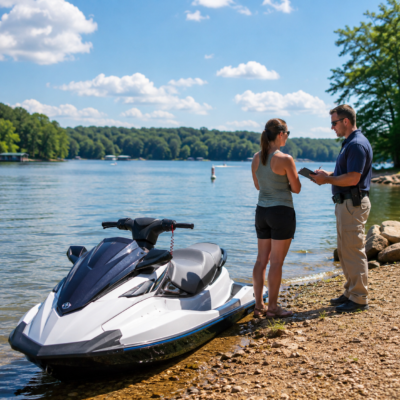
Jet skis, also called personal watercraft, are fast vessels that provide riders with little physical protection. A rider may suffer severe injuries after a collision with another vessel, a dock, a fixed object, or the water.
Possible injuries include:
- Concussions and other traumatic brain injuries
- Neck and spinal cord injuries
- Broken bones
- Internal injuries
- Deep cuts and scarring
- Shoulder, knee, and other joint injuries
- Near-drowning complications
Georgia lakes and waterways can become crowded during weekends, holidays, and warm-weather months. Congestion does not excuse unsafe operation. Operators must use reasonable care and follow Georgia boating laws.
Common causes of jet ski accidents include:
- Excessive speed
- Following another vessel too closely
- Unsafe turns near riders, boats, docks, or swimmers
- Distracted or impaired operation
- Failure to observe no-wake restrictions
- Inexperienced operation
- Failure to maintain a proper lookout
- Defective steering, throttle, or safety equipment
- Unsafe wakes
- Operation by an underage or otherwise unqualified person
The key legal issue is whether a person or business failed to use reasonable care and caused the injury.
Step 1: Get to Safety and Request Emergency Help
Your health comes first. Move away from active vessel traffic when you can do so safely. Call 911 or ask another boater to contact emergency services.
Some injuries are not immediately apparent. Adrenaline may temporarily reduce pain, and symptoms of a concussion, internal injury, or soft-tissue injury may appear later. A medical examination can identify urgent conditions and create a record connecting your symptoms to the accident.
Follow the treating provider’s instructions and attend recommended follow-up appointments. A delay or unexplained gap in treatment may give an insurance company a reason to dispute the cause or severity of your injuries.



Step 2: Report the Accident to the Proper Authority
Ask local law enforcement or the Georgia Department of Natural Resources to respond when an accident causes injury, significant property damage, or dangerous conditions.
An official report may document:
- Operator and owner information
- Passenger and witness names
- Vessel registration numbers
- Weather and water conditions
- Visible damage
- Statements from involved parties
- Apparent boating-law violations
Provide accurate facts, but do not guess about speed, distance, visibility, or fault. Water accidents happen quickly, and trauma can affect memory. You may state that you do not know or do not remember an answer.
Ask how to obtain the completed report and keep the report number with your medical and insurance records.
Step 3: Identify Every Operator, Owner, and Witness
The person operating a jet ski may not own it. The vessel may belong to a friend, family member, rental company, resort, marina, or commercial tour business. Ownership, operation, permission, maintenance, and insurance coverage may affect the claim.
Collect the following information when possible:
- Operator names and contact information
- Vessel owner names and contact information
- Registration numbers
- Insurance information
- Rental company, resort, or marina information
- Passenger names
- Witness names and telephone numbers
- Responding officer or ranger information
Witnesses may leave before investigators arrive. A neutral boater, dock worker, marina employee, or shoreline observer may later provide useful information about speed, right of way, wake conditions, visibility, or unsafe operation.
I had the pleasure of working against Chris on a fairly complicated case. Chris was professional during the course of litigation, and undoubtedly maintained his clients’ interests as the primary focus throughout. Due to Chris’ efficiency and advocacy for his clients, we were able to resolve the case for a reasonable amount, without spending unnecessary time and expenses. I hope to have more cases with Chris in the future, and would have no hesitation recommending Chris to handle complex personal injury matters.” - Paul T.
Step 4: Photograph and Record the Scene
Water-based evidence can change quickly. Vessels are moved, damaged parts are repaired, weather changes, and rental equipment may return to service.
Use your phone, or ask another person, to photograph or record:
- Damage to each vessel
- Registration numbers
- The surrounding waterway
- Nearby docks, buoys, signs, and no-wake markers
- Debris and damaged equipment
- Visible injuries
- Life jackets and safety gear
- Rental documents and warning labels
- The direction each vessel was traveling
A short video can show distances, visibility, shoreline features, and vessel positions more clearly than isolated photographs.
Read the firm’s related guidance at:
https://gunnelslaw.com/mistakes-to-avoid-after-a-boat-accident/
Step 5: Preserve the Jet Ski and Related Equipment
Do not authorize repairs, disposal, or destructive testing until the available evidence has been photographed, inspected, and preserved.
A damaged personal watercraft may contain evidence of:
- The direction and force of impact
- Steering or throttle failure
- Defective parts
- Poor maintenance
- Prior damage
- Improper repairs
Preserve helmets, life jackets, torn clothing, phones, action cameras, tow ropes, and other equipment connected to the accident. Save photographs and videos in more than one secure location.
When a rental company or another business owns the jet ski, an attorney may send a preservation notice requesting retention of the vessel, inspection records, maintenance history, rental agreements, training materials, surveillance footage, and relevant communications.
Protect the evidence before it is repaired, erased, discarded, or returned to service.
Dealing with Insurance Steps to File a LawsuitRelated Videos
Step 6: Follow Medical Advice and Document Your Recovery
Attend follow-up appointments and follow reasonable treatment recommendations. Tell each medical provider about all symptoms, including headaches, dizziness, weakness, numbness, sleep problems, anxiety, and difficulty completing normal activities.
Keep a claim file containing:
- Medical bills
- Discharge instructions
- Prescription receipts
- Diagnostic reports
- Physical therapy records
- Work restriction notes
- Mileage records for medical appointments
- Pay records showing lost income
- Receipts for damaged personal property
A brief recovery journal may document pain levels, sleep disruption, mobility limits, missed family activities, and tasks that you cannot perform. These details can help explain how the injury has affected your daily life.
Learn more about factors that may affect a boating injury claim at:
https://gunnelslaw.com/boat-accident-case-value/
Step 7: Be Careful With Insurance Communications
An insurance adjuster may request a recorded statement, medical authorization, or quick settlement. The adjuster represents the insurance company, not the injured person.
You may have a duty to provide timely notice and reasonable cooperation to your own insurer. That duty does not necessarily require you to give an immediate, detailed recorded statement to another party’s carrier.
Avoid:
- Guessing about fault, speed, distance, or visibility
- Minimizing your injuries
- Saying that you are fully recovered before treatment is complete
- Signing a broad medical authorization without reviewing its scope
- Accepting a settlement before your condition and future needs are reasonably understood
A signed release usually ends the claim against the released parties. Review any proposed settlement carefully before accepting it.
Read more about insurance communications at:
https://gunnelslaw.com/dealing-with-insurance-companies/
Step 8: Avoid Social Media Posts About the Accident
Insurance companies may review public posts, photographs, videos, check-ins, and comments. A photograph may not show the full extent of an injury, but an insurer may still use it to challenge a claim.
Do not post:
- Accident details
- Statements about fault
- Medical updates
- Settlement discussions
- Photographs or videos of physical activities
Ask friends and relatives not to tag you in boating, travel, exercise, or recreational photographs while the claim is pending. Preserve existing posts and messages. Do not delete content after a dispute begins without legal advice because deletion may create a separate evidence issue.
Step 9: Determine Who May Be Legally Responsible
A Georgia jet ski injury claim may involve one or more parties.
The Operator
An operator may be responsible for speeding, inattention, impairment, unsafe turns, failure to yield, failure to keep a proper lookout, or operation too close to another vessel, dock, or swimmer.
The Owner
An owner’s responsibility depends on the facts and applicable law. Relevant issues may include whether the owner operated the vessel, was present, negligently entrusted it to an unsafe operator, failed to maintain it, or bears responsibility under another legal theory. Ownership alone does not automatically establish liability in every Georgia boating claim.
A Rental Company or Tour Operator
A business may face liability for negligent maintenance, inadequate safety instruction, defective equipment, or conduct that places an unqualified operator on the water. The rental agreement and any liability waiver should be reviewed carefully.
A Manufacturer or Repair Company
A defective component, unsafe design, failed repair, or poor maintenance may contribute to a loss of control or collision.
Another Boat Operator
A boat operator may create an unsafe wake, strike a jet ski, violate a navigation rule, or force a rider toward a dock, shoreline, or other obstruction.
A Marina or Property Owner
Unsafe docks, poor lighting, damaged launch areas, or other property conditions may support a separate claim when the evidence and law establish responsibility.
Georgia follows a modified comparative-fault system. A court may reduce an injured person’s damages in proportion to that person’s assigned percentage of fault. A person who is 50 percent or more responsible cannot recover damages under Georgia Code Section 51-12-33.
Learn about legal representation for boating injury claims at:
https://gunnelslaw.com/atlanta-boat-accident-lawyer/
Step 10: Speak With a Georgia Boat Accident Attorney Promptly
Georgia law generally provides two years to file an action for personal injury, but exceptions and shorter deadlines may apply. Claims involving government entities may require advance notice. Other issues may arise when a minor is injured, a death occurs, federal maritime law applies, or another state has a connection to the accident.
Waiting can also harm the investigation. Witnesses move, memories fade, recordings are erased, and damaged equipment is repaired or discarded.
An attorney may help by:
- Investigating the collision
- Identifying potential defendants
- Locating applicable insurance policies
- Obtaining reports and records
- Interviewing witnesses
- Preserving and inspecting the watercraft
- Reviewing rental agreements and waivers
- Calculating documented losses
- Communicating with insurance adjusters
Legal guidance may be especially useful when injuries are serious, fault is disputed, a rental business is involved, a defective product is suspected, or several insurers blame one another.
Potential Compensation After a Jet Ski Accident
Available compensation depends on the facts, evidence, applicable law, and insurance or other sources of recovery.
A claim may include:
- Emergency medical expenses
- Hospital and physician bills
- Future medical care
- Rehabilitation and therapy
- Lost wages
- Reduced earning capacity
- Pain and suffering
- Scarring or disfigurement
- Property damage
- Reasonable out-of-pocket expenses
No attorney can promise a particular result. A sound evaluation considers liability, comparative fault, available coverage, medical evidence, future treatment, long-term prognosis, and the effect of the injuries on the person’s life.
Talk With Gunnels Law Firm, LLC About a Georgia Jet Ski Injury
A personal watercraft accident can create medical, financial, and insurance concerns at the same time. Gunnels Law Firm, LLC offers free consultations to injured people in Atlanta and throughout Georgia.
The firm can review the available evidence, explain possible claim options, and help you understand the next steps. Call (770) 766-4484 or visit:
tel:+17707664484
https://gunnelslaw.com/contact-us/
This article is for general informational purposes only. It is not legal advice and does not create an attorney-client relationship. Consult an attorney about your specific circumstances.