
As Atlanta warms and more residents take to sidewalks, parks, and streets, pedestrian injuries increase significantly. The Gunnels Law Firm LLC has seen a rise in clients who are injured while walking or crossing streets, highlighting the importance of understanding liability in these cases. Georgia law allows pedestrians to recover compensation from drivers, property owners, or municipal entities depending on the circumstances. Knowing who may be at fault, what evidence to collect, and how to pursue compensation is essential for anyone navigating the aftermath of a pedestrian accident. This guide explores common scenarios, liability rules, and steps you should take if you are injured.




Why Pedestrian Accidents Increase in Warmer Months 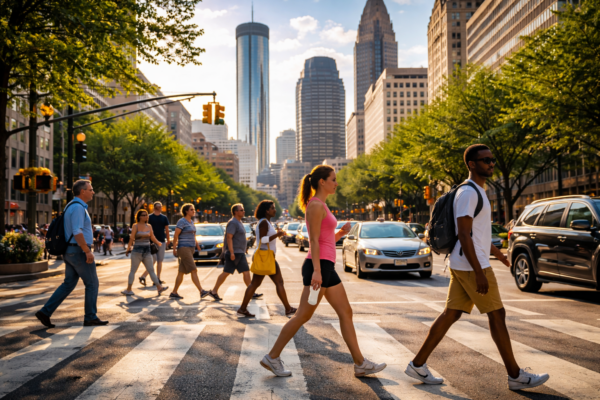
As temperatures rise in Atlanta during spring and summer, more residents engage in outdoor activities including walking to work, jogging, visiting parks, and attending local events. These conditions naturally increase pedestrian exposure to traffic hazards. At the same time, drivers may be distracted by sightseeing, weekend errands, or congested roadways. Certain neighborhoods such as Midtown, Downtown, Buckhead, and areas near schools see higher concentrations of foot traffic, increasing the likelihood of accidents. Risk factors often include failure to use crosswalks, insufficient lighting at night, driver distractions such as cell phones, and poorly maintained sidewalks or streets. Additionally, recreational drivers unfamiliar with pedestrian-heavy areas may underestimate the time needed to yield at intersections or anticipate pedestrian movement.
Driver Liability in Pedestrian Accidents
In most cases, the primary party responsible for a pedestrian accident is the driver. Georgia law requires drivers to exercise reasonable care at all times to prevent collisions with pedestrians. Failure to stop at crosswalks, running red lights, speeding, or driving under the influence are common examples of negligence that place drivers at fault. Even minor lapses in attention can result in severe injuries to pedestrians. In some cases, drivers who fail to reduce speed near schools, parks, or residential areas may also be held liable under local traffic ordinances. Legal liability can extend beyond civil damages, including potential criminal charges if reckless or impaired driving contributed to the accident.



Property Owner Liability
Liability is not limited to drivers alone. Property owners can be responsible if dangerous conditions on their property contribute to a pedestrian injury. For instance, if a sidewalk in a shopping center is cracked, uneven, or blocked, or if lighting is insufficient to allow safe pedestrian travel, the owner could be partially or fully liable. Construction zones, debris, or improperly marked pathways that create hazards for pedestrians may also trigger liability. Legal action against property owners often requires establishing that the hazard was known or should have been known and that reasonable steps were not taken to mitigate the danger. Documentation of these conditions, including photos and witness statements, is crucial for establishing responsibility.
Government Liability
Pedestrian accidents may involve public entities if unsafe conditions exist on public roads or sidewalks. For example, a city could share liability if an accident occurs at a crosswalk with broken signals, missing signage, or unsafe roadway surfaces. Georgia law imposes strict procedural requirements when pursuing claims against municipalities, including providing notice of the claim within a defined period. Despite these rules, injured pedestrians may recover compensation for medical expenses and other losses if negligence on the part of the city or county contributed to the injury. Legal counsel familiar with municipal liability laws is critical in these situations.
I had the pleasure of working against Chris on a fairly complicated case. Chris was professional during the course of litigation, and undoubtedly maintained his clients’ interests as the primary focus throughout. Due to Chris’ efficiency and advocacy for his clients, we were able to resolve the case for a reasonable amount, without spending unnecessary time and expenses. I hope to have more cases with Chris in the future, and would have no hesitation recommending Chris to handle complex personal injury matters.” - Paul T.
Comparative Fault in Georgia
Georgia applies a modified comparative negligence system, which affects the compensation available to injured pedestrians. If a pedestrian is partially at fault, their recovery is reduced in proportion to their share of responsibility. For example, if a pedestrian is found 25% at fault for jaywalking while the driver is 75% at fault, the pedestrian can recover 75% of damages. Courts consider factors such as whether the pedestrian was crossing legally, whether they were distracted, and whether they failed to obey traffic signals. Comparative fault rules make it important to retain an attorney who can effectively document and argue the pedestrian’s relative innocence.
Types of Damages Recoverable
In a pedestrian injury case, compensation may include a variety of damages. Medical expenses are usually the most immediate concern, covering emergency care, surgeries, rehabilitation, therapy, and ongoing treatment for lasting injuries. Lost wages and diminished earning capacity may be included if the accident prevents the pedestrian from working temporarily or permanently. Pain and suffering, emotional distress, and loss of enjoyment of life can also be claimed. In cases where personal property was damaged, such as mobile phones, clothing, or bicycles, reimbursement for these items may also be sought. Calculating the total value of a pedestrian injury claim requires a careful assessment of both tangible and intangible losses.
Dealing with Insurance Steps to File a LawsuitRelated Videos
Steps to Take Immediately After an Accident
After a pedestrian accident, quick and thorough action can preserve legal rights. First, seek medical attention immediately, even if injuries appear minor, as some conditions, such as internal bleeding or concussions, may not be immediately obvious. Documenting the scene is critical: take photographs of the roadway, crosswalks, traffic signals, the vehicle involved, and any visible injuries. Collect contact information for witnesses, and ensure that a police report is filed. Avoid providing recorded statements to insurance adjusters without consulting an attorney, as statements may be used to minimize or deny claims. Prompt contact with a knowledgeable Atlanta personal injury attorney is essential to preserve evidence and meet legal deadlines.
How Legal Representation Helps
An attorney with experience handling pedestrian accidents in Atlanta can significantly influence the outcome of a case. They can investigate the accident thoroughly, including obtaining traffic camera footage, interviewing witnesses, and consulting accident reconstruction experts. Attorneys communicate with insurance companies, handle claim filings, and negotiate settlements, ensuring that the pedestrian’s interests are protected. If a fair settlement is not possible, the attorney can pursue litigation to secure maximum compensation. Legal counsel is especially important in complex cases involving multiple parties, such as partially negligent drivers, property owners, or municipal entities.
Examples of Liability in Atlanta
Consider common scenarios encountered by attorneys at The Gunnels Law Firm LLC. A pedestrian struck in a legal crosswalk by a driver running a red light would typically see the driver fully liable for damages. Conversely, if a pedestrian trips on a cracked sidewalk in a parking lot, liability may fall on the property owner. Accidents occurring at intersections with malfunctioning traffic signals may involve shared liability between the driver and the city. Each case is unique, and detailed documentation of circumstances is critical for determining fault and pursuing compensation.
Preventing Pedestrian Accidents
While pedestrians cannot control the actions of drivers, safety measures reduce risk. Using marked crosswalks, obeying traffic signals, and avoiding distractions like mobile devices are essential precautions. Pedestrians should wear visible clothing, especially at night, and make eye contact with drivers before crossing. Awareness of surroundings and avoiding jaywalking can significantly reduce accident risk. Public awareness campaigns and proper city planning also play a role in creating safer streets.
Speak With a Trusted Atlanta Personal Injury Attorney Today
Pedestrian injuries can have devastating consequences. If you were injured while walking in Atlanta, GA, contacting The Gunnels Law Firm LLC promptly can help protect your rights and ensure you receive the compensation you deserve. Our experienced team investigates every detail, gathers critical evidence, and guides clients through complex liability scenarios to secure fair outcomes. Schedule a confidential consultation today to discuss your case and learn your options.
Disclaimer
This information is intended for educational purposes and is not legal advice. Consult a qualified attorney regarding your specific situation.